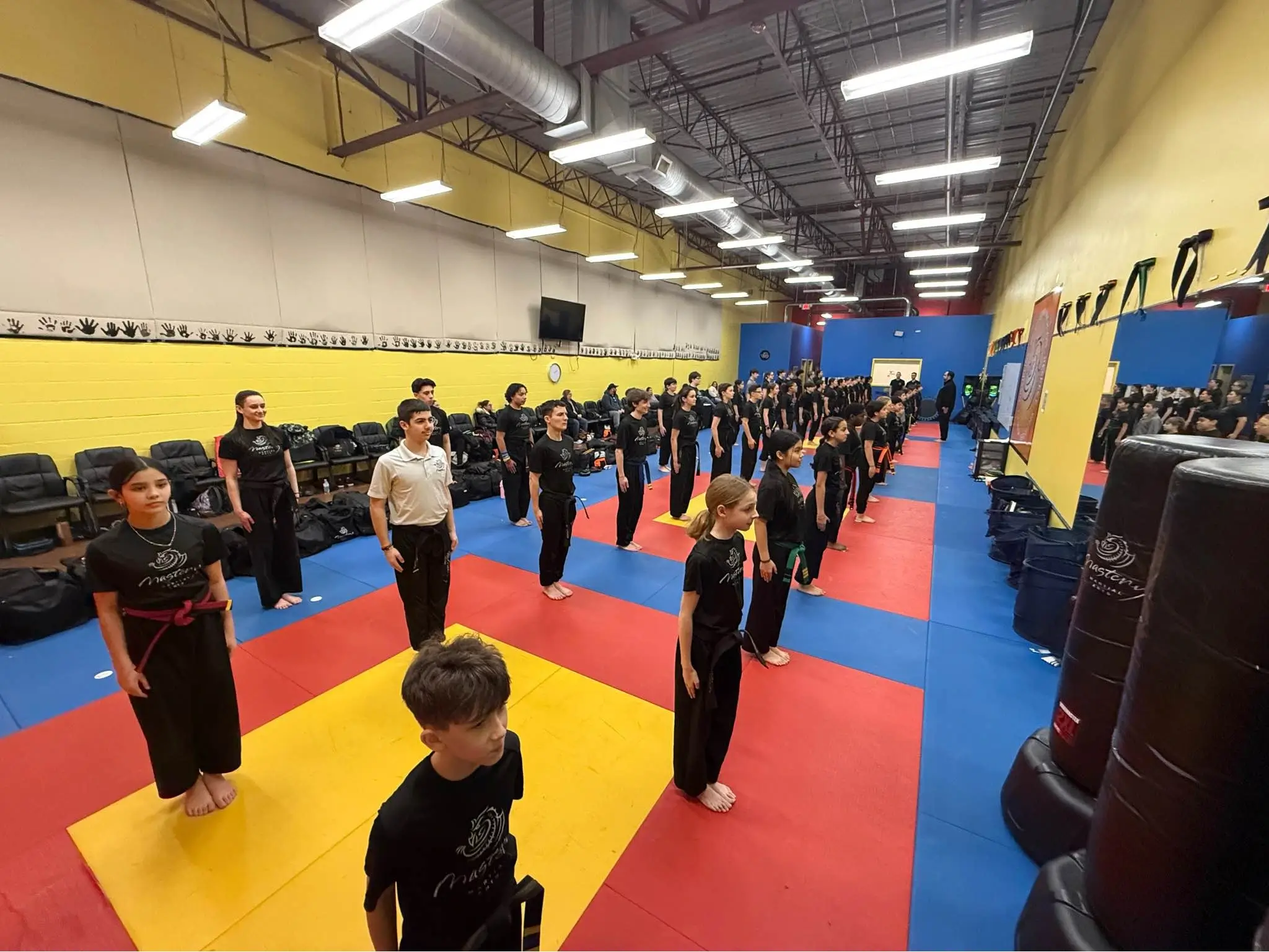
The first time I watched a painfully shy eight-12 months-outdated bow onto the mat, he may possibly slightly meet his trainer’s eyes. His mom whispered that he hated group sports activities, dreaded crew projects, and in many instances hid behind her when meeting new americans. Twelve weeks later, he led the nice and cozy-up, also known as out instructions with a clean voice, and bowed his partner in with a well mannered “Osu.” The method wasn’t appropriate, but the change in posture told the proper story: chin lifted, shoulders open, steps decisive. That transformation didn’t come from magic. It got here from the format and values embedded in little ones karate courses.
Karate works as it connects the body and the intellect in a regular, repeatable manner. Children commence with small, attainable steps, then stack them into bigger challenges. Over time, these steps construct self assurance, discipline, and admire that convey effectively past the dojo doorways. I’ve coached childrens across extraordinary temperaments, from fiery extroverts to quiet observers, and the similar trend exhibits up: whilst the way of life is excellent and the education tremendous for his or her age, youngsters grow.
What self belief truthfully looks as if at the mat
Confidence receives thrown around as a buzzword, however in karate it shows up in one of a kind behaviors. A convinced child stands with toes under hips, arms prepared, and eyes ahead. They reply to cues with out guessing even if they’ll be incorrect. They settle for corrections with no crumbling. Confidence in youth karate programs seriously isn't loudness or swagger, that is a stable perception that effort produces development.
I use a undemanding look at various while mother and father ask how their baby is doing. Can the newborn lead a bow-in devoid of prodding? Will they accomplice with a new youngster and cause them to consider relaxed? Can they call out the remember for ten front kicks, in spite of the fact that they locate the eighth? When the reply to these questions shifts from “no longer yet” to “normally,” that’s precise self belief taking root.
Progress in karate is deliberately visual. Stripes on a belt, a crisp new kata collection, a louder kiai, a smoother roundhouse kick. For a timid boy or girl, the comments loop is priceless: I practiced, I superior, I can do the next aspect. Plenty of things to do present comments, yet karate wraps it internal ritual, admire, and clean principles. The newborn isn’t just “fantastic at karate,” they're awesome at showing up, operating as a result of frustration, and ending what they jump.
Respect isn't compelled, it really is practiced
Many fogeys enroll in karate sessions for adolescents on the grounds that they wish improved behavior at domestic. They listen that karate teaches appreciate. It can, yet handiest if the institution practices it always. Respect in a good dojo is a two-means avenue. Students bow to teachers, convinced, yet teachers also deal with teenagers with dignity. Correction is certain, in no way shaming. Commands are clean, no longer barked for the sake of dominance. taekwondo classes Troy MI The surroundings tells little toddlers, you depend and so does the human being next to you.
The bow is misunderstood backyard martial arts. It isn’t submission. It’s a handshake expressed with the aid of posture. We bow whilst we step on the mat to point out we fee the gap. We bow to our companion to indicate we importance their safeguard. We bow to our teacher to show we significance their education. That repeated, embodied act customarily spills into lifestyles at house and tuition. A youngster who bows previously partnering learns to pause beforehand performing, to appear others in the attention, to recognize shared obligation. This is the seed of recognize.
I’ve obvious the difference in war moments. Two adolescents bump, a kick lands too tough. In a few settings, that spirals into blame. On a fantastic day in a very good dojo, the kicker bows and says sorry, the spouse nods, and they reset stance. Not on the grounds that an grownup demanded it in a harsh tone, but because that is the language they've practiced.

How young ones examine first-class in karate
The first-class young people karate classes appearance straightforward on the surface, well-nigh like play. Underneath, they're moderately based sequences that meet the kid’s brain on the exact degree. Short, centered drills, then a reset. Clear cues, minimal jargon, many opportunities to prevail. The layout tends to follow a rhythm:
- short etiquette and warm-up to most suitable focus technical block where one capacity will get micro-coached associate work to test timing and control a video game or obstacle that bakes within the day’s talent without the newborn noticing they’re being tested
That rhythm issues greater than the definite flavor. Whether the dojo leans Shotokan, Goju-ryu, Wado-ryu, or a mixed childhood software, teenagers will thrive if the lesson layout honors their concentration span and motor building. A five-12 months-historical wishes aims, colors, and studies. A ten-year-vintage can deal with precision and not on time gratification. A 13-yr-previous necessities to determine the why and feature some say in their personal instruction dreams.
When mom and dad travel a dojo, I imply they watch one full elegance. If the teacher speaks in lengthy monologues, young ones will drift. If corrections include sarcasm, kids will slash. If video games have no hyperlink to technique, childrens will snort but not grow. The candy spot is a coach who can say, “Hands up, eyes on, demonstrate me three steps of forward stance,” then deliver criticism that a little one can act on in 5 seconds or much less.
The role of belts, stripes, and small wins
Rank procedures are resources, now not the level. Many academies use stripes on belts to mark development among formal assessments. I’m a fan of stripes in the early years due to the fact they bring about chew-sized aims. A shy newborn who earns a white tape stripe for a consistent the front stance sees evidence that effort makes a big difference. Four stripes later, they’re waiting for a belt attempt that gathers distinctive capabilities.
When stripes get passed out randomly, they turned into noise. When they’re connected to seen habits and one-of-a-kind knowledge, they force concentration. For example, a red stripe could mark punctual bow-ins, a blue stripe may possibly mark protected keep watch over with a companion, and a black stripe may be for the 1st full variant of kids karate classes a kata. The kid learns that both angle and manner depend. That alignment is where self assurance shifts from fragile to sturdy.
Belt assessments need to feel tricky, never punishing. A neatly-run take a look at exhibits the newborn they may do complicated things under drive, with kinfolk looking, with no losing strength of will. Time it closely. If you take a look at too early, you plant doubt. If you postpone devoid of explanation, you plant resentment. I like to give a selection: “Most young ones want 10 to fourteen weeks between those belts. Let’s payment your blockading fundamentals at week 8 and see.”
Safety and controlled contact
Parents ordinarilly ask approximately defense in the past the rest else. They should. Good karate faculties positioned protection into each and every minute: eye contact until now a companion drill, tap indicators for holds, clean cease words, and structured touch that builds over time. In more youthful categories, contact is faded and supervised at near range. The purpose is not really to hit arduous, yet to learn how now not to hit by means of twist of fate.
Pads and shields permit drive with out danger. Target mitts assist with distance. For childrens, we upload constraints to retain manipulate top. One of my standbys for 7 to 9-12 months-olds is the “three-second kick” wherein they carry the knee, delay slowly in the direction of a pad, hang, then retract earlier striking the foot down. It teaches chambering, stability, and respect for the aim. A kid who knows how to tug a kick also is aware of a way to hinder hurting a sibling in the residing room.
I additionally seek for the tone of the room in the time of sparring days. If the trainer uses sparring as a highlight for the so much competitive youth, you’ll see timid students freeze. If the trainer frames sparring as situation-fixing with apparatus, bit by bit, self belief spreads. Rules like “frame in basic terms, jabs most effective, footwork in simple terms” expand capacity without pouring gas on competitive egos.
What shyness necessities from a dojo
Shy teenagers usually are not broken extroverts. They often need predictability and time to heat up, plus stories that gift cautious focus. Karate can in good shape like a glove if the trainer meets them midway.
I beginning with the aid of giving jobs. A quiet six-yr-historical might be in can charge of bowing the team onto the mat. A reserved nine-yr-vintage would cling the wide variety cards in the time of a around of drills. Jobs create function-based courage. They also give young people a reason why to seem up and speak up. If the child averts their gaze, I gained’t power eye touch. I ask them to find a point at the instructor’s chest, then we construct towards the eyes over weeks. Small, manageable steps win.
Partner preference could make or ruin a shy baby’s sense. Pairing them with a consistent, patient child helps. Later, rotate companions to escalate consolation zones devoid of tossing them into the deep give up. I also motivate fogeys to withstand standing inside the doorway for the complete magnificence. Trust grows whilst the child senses the mat is their territory, no longer an extension of the figure’s anxiousness.
One of my widespread moments got here with a girl who wouldn’t communicate above a whisper. For the first month, her kiai used to be silent. We celebrated other wins. By week 5, her hand shot up to respond to a query approximately stances. By week 8, it's good to pay attention her kiai from the back wall. The key turned into not ever making the kiai a functionality for our amusement. It became a software for pressure and breath, and we taken care of it that manner.
Behavior amendment at home and school
When folks inform me that karate modified homework time, I believe them. The habits practiced inside the dojo map well to abode existence: express up on time, concentrate once, check out your most desirable, repair it with instruction, conclude reliable. The most typical shifts I listen about are more desirable concentration for the period of examine, fewer meltdowns while annoyed, and a boost in willingness to test new matters. Teachers usually understand greater posture in displays. It isn’t just the muscle tissue. It’s the reflex to set feet, breathe, and dialogue with cause.

Respect also contains over. Kids who bow to partners earlier drills be informed cues for barriers and consent. They ask until now borrowing, they sign once they desire space, and that they ask for forgiveness cleanly after they mess up. This doesn’t suggest karate teenagers on no account communicate to come back or omit chores. It capability they've a vocabulary for path-correcting and a memory of doing it in the dojo. That makes a large difference in a spouse and children.
When karate isn’t the precise fit
Most youngsters can profit from karate, but it isn’t known. If a kid detests established environments and prospers handiest in unbounded play, a inflexible karate program may grind them down. If a institution runs on concern or humiliation, don’t count on it to supply wholesome admire. If a child has a selected sensory profile, similar to reliable aversion to uniform textures or to unexpected shouts, you’ll want an trainer who can adapt. I’ve taught scholars who wore softer undershirts underneath their gi or used foam earplugs at some point of kiai-heavy segments. Good dojos will work with you.
Also, watch the calendar. If a kid is juggling diverse severe actions, karate could turn out to be simply an alternative call for. Confidence grows whilst the kid can deliver steady consideration, not once they’re sprinting from one lesson to the next each and every evening. Two short programs every week beats one long one for such a lot little ones below ten.
What to look for when opting for a dojo
Parents incessantly ask for a quick filter to discover the right place. In the spirit of being transparent and concise, here's a brief listing that covers the essentials.
- Clean, orderly area with transparent safety regulation visible Instructors who realize babies’s names and use them kindly Age-accurate class groups with brief, targeted drills Consistent etiquette that everyone follows, together with instructors A clear direction for growth: stripes, belts, talents, and time frames
Bring your kid to look at, and if potential, to are attempting an ordeal category. Stand to come back and observe. Do teenagers smile when running rough, or are they either goofing off or searching scared? Do teachers give an explanation for why a drill concerns? Do they edition respect in the approach they dialogue to each one different? Trust your intestine, yet also your eyes.
How instructions are developed for totally different ages
The word karate courses for youth covers a large span. A nicely-run program adapts for each degree.
For four to six-year-olds, instructions experience like video games with purpose. You’ll see coloured dots at the floor for foot placement, animal metaphors for motion, and general resets. A precise benchmark is regardless of whether one could clarify the capability in the back of the sport. If young people are “chasing ninja tails,” the trainer need to be teaching lateral motion and understanding, now not simply burning power.
For 7 to 9-year-olds, styles start to count number. Kids can string at the same time blocks and moves into brief mixtures. They can hold consciousness for longer arcs and receive distinct corrections. Peer dynamics additionally kick in, so an instructor’s skill in managing institution power will become severe. Reward attempt in public, tackle negative conduct quietly and immediately.
For 10 to 13-yr-olds, possession comes into play. These young children can set targets for a belt and plan weekly practice. They can deal with greater contact with ideal equipment and legislation. They additionally need to feel respected as emerging young adults, which means an trainer who explains the why in the back of drills and invites questions without dropping structure.
Where self belief and admire intersect with self-defense
Parents oftentimes sign up their young ones after a bullying incident. The first intuition is to arm the newborn with strategies. Karate can assistance, but the most potent preliminary expertise are wisdom, posture, voice, and boundary-environment. In train, that looks as if walking with function, scanning hallways, affirming space with hands up in a nonthreatening “end” position, and offering a loud, clean command. Karate offers young people infinite reps in assertive move and sound. A reliable kiai rehearses utilising your voice under tension.
Physical self-safeguard for kids facilities on escaping, now not struggling with. Break grips, create distance, find assist. Schools that emphasize regulate over harm teach little ones the right way to leave intact. They also assist mothers and fathers function-play scenarios that suppose realistic: find out how to reply to see strain, learn how to de-enhance an issue, how one can report a hassle. The respect piece matters such a lot here. A little one who respects themselves units less assailable limitations. A baby who respects others avoids escalation whilst it’s avoidable.
How long it takes to peer change
Parents more commonly need a timeline. It varies through baby and frequency, however some styles are easy. With two sessions a week, you will assume:
- noticeable improvements in posture and concentration around weeks three to 6 convenience with class etiquette and partnered drills by means of weeks 6 to 10 a first belt attempt window among 10 and 16 weeks, relying on the school meaningful self belief shifts in social cases over the primary three to 6 months
Some youngsters sprint, then stall. Others climb at a consistent tempo. The target will not be to outrun classmates yet to anchor behavior. When you can omit a week for a cold and go back with out shedding coronary heart, you’ve crossed an valuable threshold.
How parents can reinforce devoid of hovering
The finest features happen when mothers and fathers and instructors row inside the similar path. Support appears to be like standard: get your youngster to magnificence on time, compliment attempt greater than results, and demonstrate curiosity about what they discovered. Ask them to instruct you a stance or a bow. Let them just right you and revel in the function reversal. That presents them a nontoxic likelihood to very own their awareness.
Avoid instruction from the sideline. If your voice is louder than the teacher’s, your little one gained’t be aware of whom to stick to. Save your comments for the trip residence, or even then, lead with questions. What used to be enjoyable? What was not easy? What do you want to test to come back subsequent time? If a obstacle arises, communicate to the trainer away from your newborn. Kids monitor tone more than words. They’ll borrow your calm or your tension.
Home apply is additionally short and playful. Five mins of stances for the period of toothbrushing time. Ten the front kicks consistent with leg although a kettle boils. One kata run-with the aid of previously mattress. Consistency trumps period.
When festival enters the picture
Tournaments will likely be a confident stressor for a few young children, a dangerous have compatibility for others. I’ve obvious shy teens blossom after a kata functionality on a small regional level. I’ve additionally considered constructive young children wilt whilst competitors will become an identity. If your dojo competes, strive one match just about abode with a friendly vibe. Treat it as a finding out day, no longer a referendum in your infant’s valued at.
Focus on manner objectives: loud kiai on each one strike, constant stances, a transparent bow. If sparring divisions are in contact, be sure that your child has at the least just a few months of managed partner work and knows the policies bloodless. A excellent trainer will signal while the time is true. If you sense drive to compete beforehand your child is set, you will say no and still belong.
The way of life makes the difference
I’ve expert in rooms the place the loudest little ones governed. I’ve knowledgeable in rooms wherein the culture nudged every newborn, loud or quiet, towards obligation. The moment variety produces the long-term advantages folk associate with teens karate courses. Culture shows in little issues: do older pupils aid tie younger kids’ belts, do teachers show up early to reply to questions, does the institution rejoice endurance as a lot as velocity?
If you discover a place wherein appreciate is lived, no longer simply laminated at the wall, and where progress is available in consistent steps, your boy or girl can grow from shy to potent devoid of shedding who they are. The self assurance they construct received’t be brittle. It shall be the sort that supports them walk into a brand new lecture room, glance a trainer in the attention, and say, “Good morning.” It could be the kind that allows them apologize once they’re incorrect and get up when a specific thing isn’t right. That, extra than any trophy or flashy kick, is why households live.
A closing observe on making a choice on with intention
Karate isn’t a miracle remedy for shyness or a shortcut to faultless manners. It is a craft that shapes person via repetition, comments, and group. When you settle on karate programs for adolescents, you’re settling on a fixed of day after day habits. The behavior of bowing in, listening wholly, shifting with handle, possessing blunders, and making an attempt again. Over months and years, these conduct knit jointly into self assurance and appreciate that don’t depend on a belt shade.
Visit, watch, ask questions, and concentrate on how the dojo makes your little one sense. If they stroll out slightly taller after the trial magnificence, in the event that they mimic the bow inside the kitchen, if they ask when they are able to pass returned, you’re at the precise tune. Give it time. Celebrate small wins. And get pleasure from the moment, a number of months in, while your as soon as-hesitant little one steps ahead, bows with a smile, and takes their position at the mat as though they’ve been there all alongside.